Till the 1500s, researchers and scientists thought that erections in human males were caused by air that was inflated in the penis by the male body through some unknown obscure mechanics.
Even the great Aristotle (384–322 BC), a wise philosopher of his time, stated that penile erection was an “involuntary movement,” which could be caused by imagination.
Everyone considered penile erection was a result of the accumulation of air until the 15th century when Da Vinci correctly concluded that erections were caused by blood.
Check Out:
Prepare to embark on a journey through the uncharted territories of history, where the past reveals its most astonishing secrets. These are not your ordinary historical tidbits; they are the hidden gems, the untold tales, and the jaw-dropping anecdotes that will challenge everything you thought you knew about the past. Brace yourself for an exhilarating ride through time, as we unearth 57 mind-bending historical facts that were conspicuously absent from your school textbooks.
Get ready to be amazed, delighted, and maybe even a little bit bewildered, from Cleopatra’s shocking marriages to astonishing discoveries buried in the sands of time as we unravel a tapestry of history that will forever change the way you perceive the world.
Here are our picks for the 51 Startling Historical Facts You Never Heard Before…..
1.
Cleopatra: The Enigmatic Queen Who Married Her Brothers.
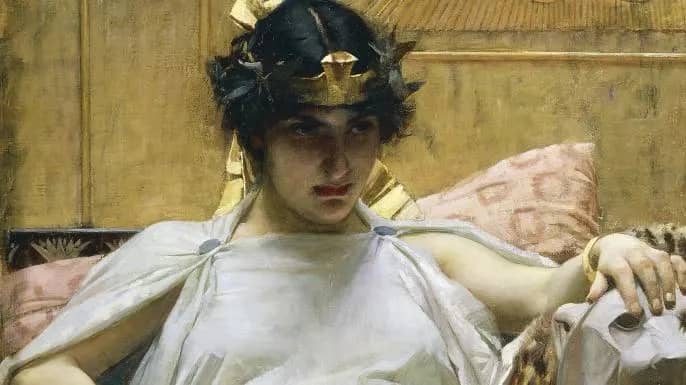
Cleopatra, the famed queen of Egypt, is known for her intriguing and often eccentric life. Her legacy includes tales of bathing in milk, being delivered rolled up in carpets, and even employing a snake to end her own life. However, what’s not widely known is that she followed a customary practice of her time by marrying both of her brothers.
In a twist of fate, both of her brothers met tragic ends. One of them drowned, weighed down by his golden armor, while the other likely fell victim to poisoning, possibly at Cleopatra’s behest.
Interestingly, a 1963 movie based on Cleopatra’s life stands out as one of the most expensive films ever made. It’s a testament to the enduring fascination with this enigmatic queen.
And as an intriguing side note, Cleopatra’s milk baths weren’t just a vanity indulgence. In fact, they served as a successful remedy of the time, believed to encourage the removal of parasites from the body. A shoutout to Sharon Visser for bringing this fascinating historical detail to our attention in the comments.
2.
The Great Wall of China is Sadly Called the Longest Cemetery in the World

The Great Wall of China is a graveyard with lakhs of men buried inside it. It is estimated that more than 400,000 workers died; some are said to be buried in the long wall. That gives the dreadful saying of the ‘longest cemetery’. You can check The Great Wall of China: The Ultimate Space Illusion? to learn more surprising things about it.
3.
Rasputin survived being stabbed, poisoned, and shot.
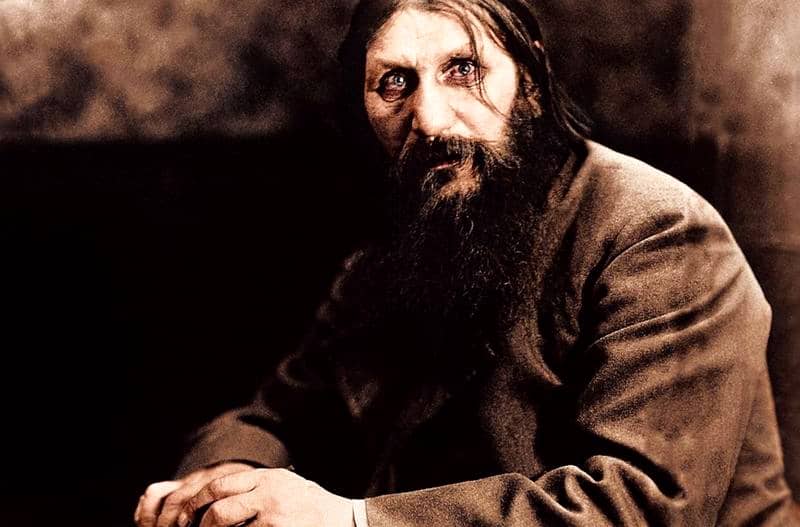
Grigori Yefimovich Rasputin was a Russian mystic and self-proclaimed holy man. He was stabbed in the stomach, shot in the chest, Poisoned beat, and finally murdered on December 16th, 1916. When the shooting failed to kill Rasputin, so they beat him, tied up his body, and threw it into the freezing waters of the Neva River. Pretty hard to kill huh!!
4.
Compassion and Love of the Woman for her Father
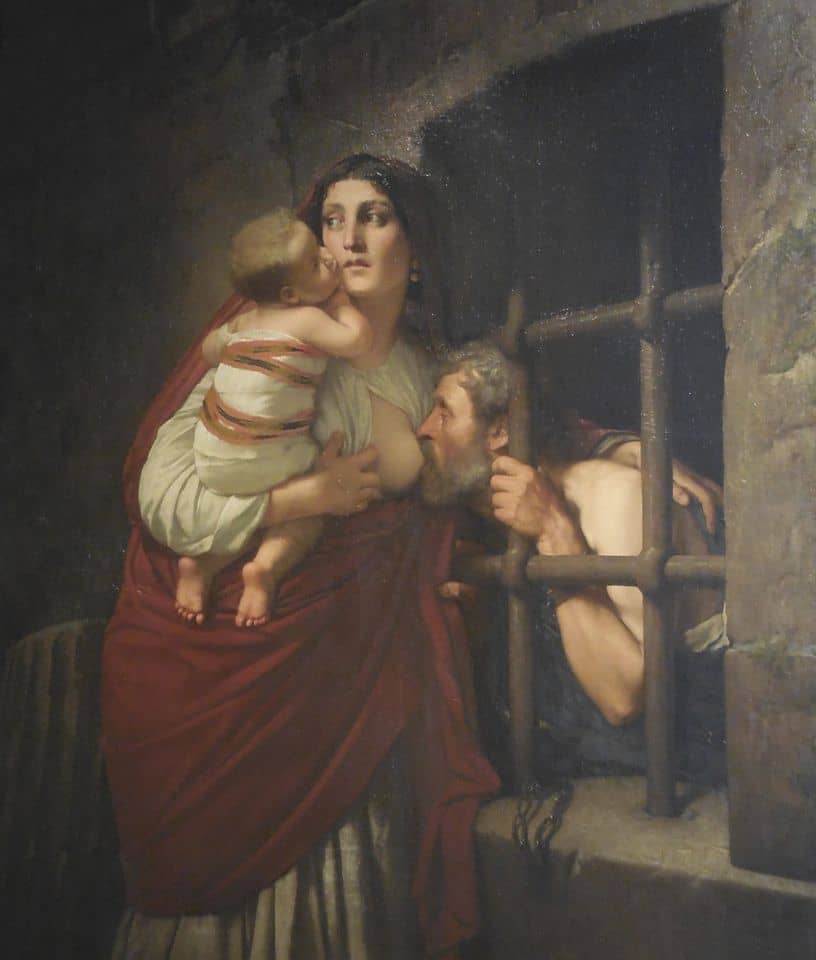
This painting of a young woman with her child breastfeeding an older man in a prison cell was sold for 30 million euros. It may look perverse, but the story behind it is indescribable.
The poor man was sentenced to “death by starvation” for stealing a loaf of bread during the reign of Louis XIV in France. The woman was his only daughter and the only visitor to his cell. She was allowed to visit him daily but was not allowed to take food in.
Even after 4 months, the man was still alive, with almost no weight loss, nothing. The authorities now started spying on her in the cell and to their utter astonishment found her breastfeeding her father to the fullest sharing her baby’s milk. The judges realizing the compassion and love of the woman for her father, let off her father and set him free.
5.
Give Us Our Eleven Days!! Britisher
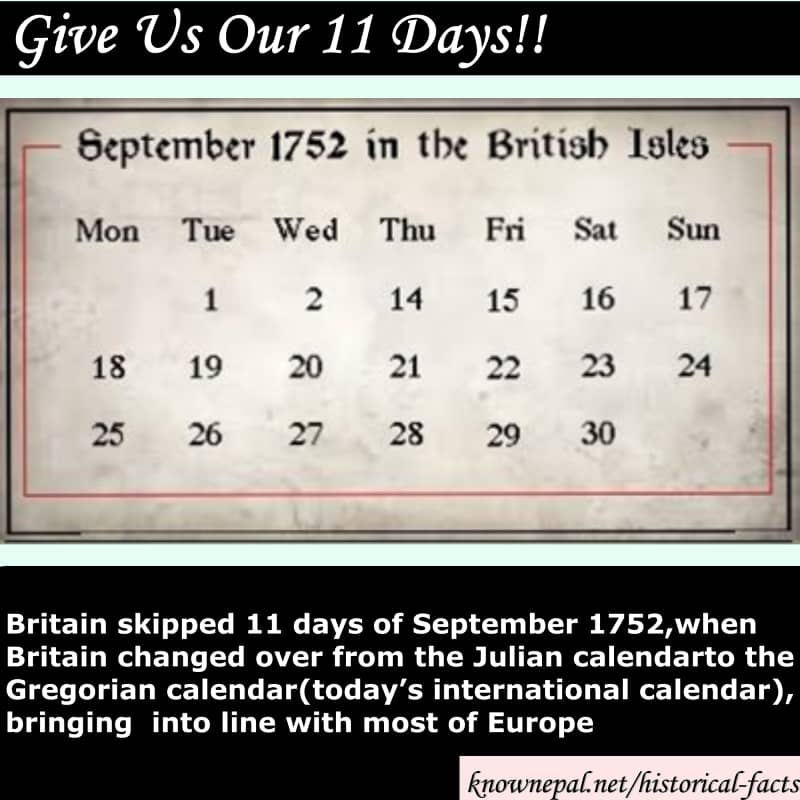
Britain skipped 11 days of September 1752, when Britain changed over from the Julian calendar to the Gregorian calendar(today’s international calendar), bringing it into line with most of Europe.
Before 1752, Britain and its colonies followed the Julian calendar, implemented by Julius Caesar in 46 B.C. However, this calendar had a small error of 1 day every 128 years, due to a miscalculation of the solar year by 11 minutes and over millennia it turned out to be 11 days. It isn’t bad though. A day in 128 years, that’s a pretty accurate calculation of that time.
It was caused due to leap years. We add a day every 4 years because the earth takes 365 days, 5 hours, 59 minutes, and 16 sec to revolve around the sun. So, to maintain these 6 hours we have a Feb 29 every 4 Years.
If you noticed, we are adding 44 extra seconds to our calendar and that is what caused the addition of a day every 128 years which had to be removed and that’s why we skip 3 leap years every 400 years.
6.
The Picnic Battle of the American Civil War!
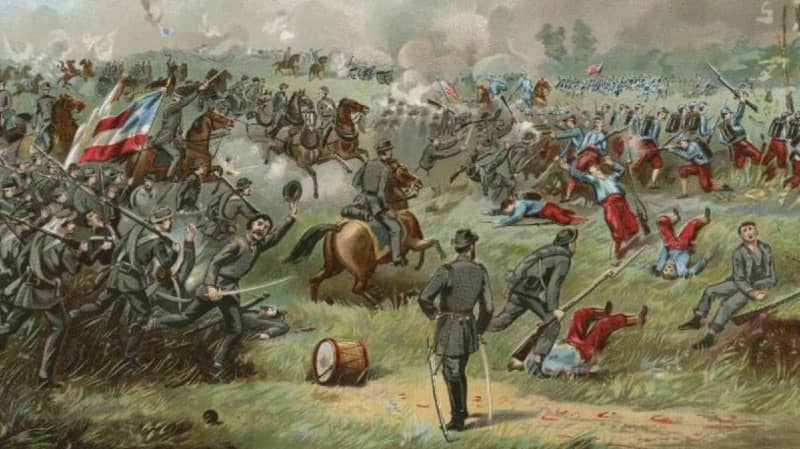
The First American civil war, the Battle of Bull Run (also known as the Battle of First Manassas) was called “The Picnic Battle” because many wealthy elites and Washington’s civilians, including congressmen and their families, went on picnics on the sidelines and watched the battle.
7.
The shortest war being fought lasted for only 38 minutes.

The Anglo-Zanzibar War was fought between Zanzibar Sultanate and Great Britain on 27 August 1896. The military conflict lasted between 38 to 45 minutes, marking it as the shortest recorded war ever fought.
8.
Christopher Columbus didn’t discover America.
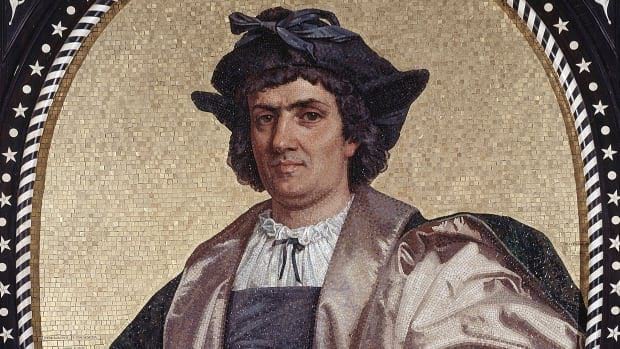
Columbus explored the Central and South American coasts but he never reached North America Native Americans. It is believed Leif Eriksson, a Viking made to North America Nearly 500 years before the birth of Christopher Columbus.
9.
The work of an incompetent jazz-hating Time Traveler.
At the age of 2, he fell out of the window of a two-story building and fractured his skull.
When he was 6 years old, he accidentally drank Boric acid( H3BO3). Boric acid is a colourless crystal that dissolves in water and is a natural pesticide.
As soon he became 9, he decided to fall off a cliff and broke his leg.
When he was 11 years old, he contracted measles and was in a coma for 9 days.
When he was 14 years old, he broke his arm and got caught in a carriage door.
When he was 19 years old, a brick fell right on his head.
When he was 23 years old, he almost killed himself by drinking tainted wine.
And at 29, Adolph Sax invented the saxophone.
10.
The oldest known book in the world is Rig Veda.
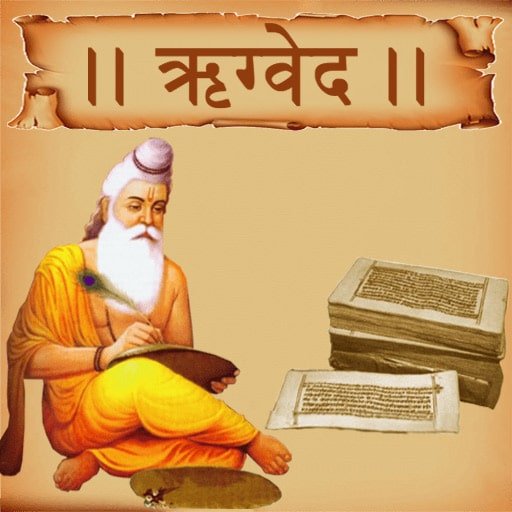
The Rigveda is an ancient Indian collection of Vedic Sanskrit hymns and is considered to be the oldest continual sacred writing. It is one of the four sacred canonical Hindu texts known as the Vedas and is also the oldest known Vedic Sanskrit text.
It is the OLDEST scripture containing a collection of 1,028 poems of the World following its other 3 Vedas and Upanishads. It dates back to about 1900-1500 BCE.
11.
The most successful pirate in history was a Chinese Lady.
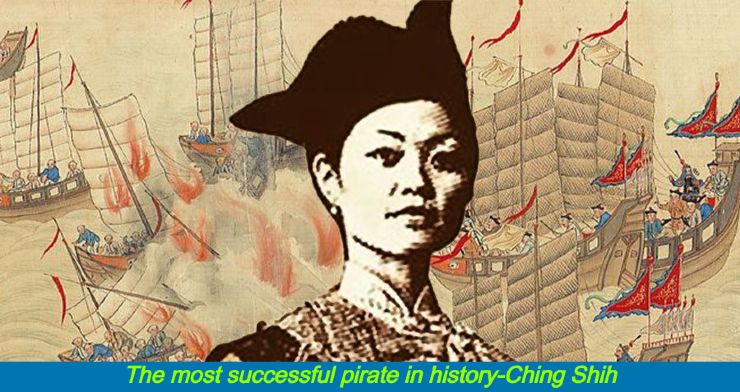
She is Ching Shih, A Chinese woman and the most successful pirate of all time. During the Peak of her power, She commanded over 1,800 pirate ships and an estimated 80,000 men. She is also famous as The Pirate Queen. Who thought the most successful pirate was a Lady. She is the only Pirate I know about, except our captain Jack Sparrow.
12.
Every one man out of two hundred is considered a direct descendant of Ghengis khan.
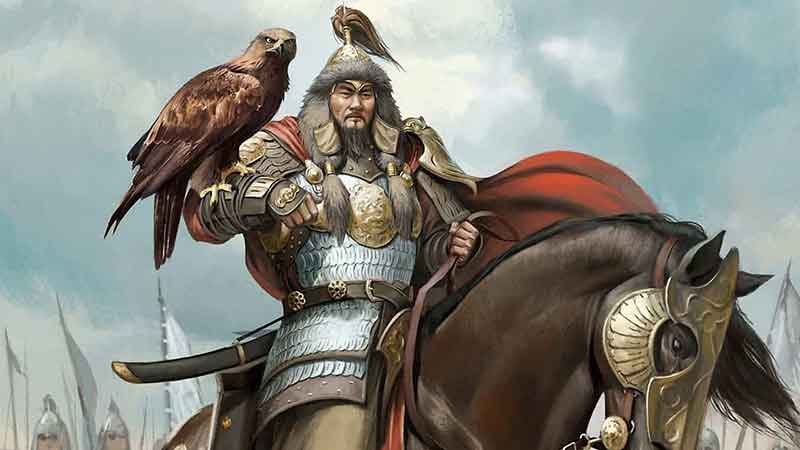
The first Mongol Emperor, the Genghis Khan, slept with so many women that in present-day every one man out of two hundred is considered a direct descendant of Ghengis khan. The study was published in the journal “European Journal of Human Genetics”.
13.
“Fox Tossing” was once a popular sport.
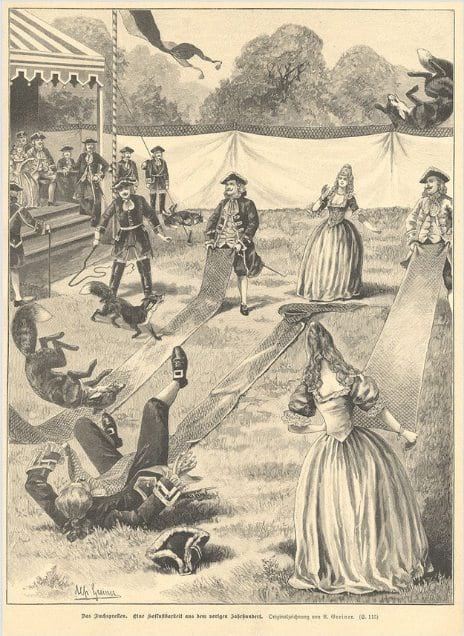
Fox Tossing was a competitive blood sport that gained popularity in many parts of Europe especially Germany in the 17th and 18th centuries. It involved throwing live foxes and other animals high into the air.
14.
Napoleon Bonaparte known as The Little Corporal wasn’t short
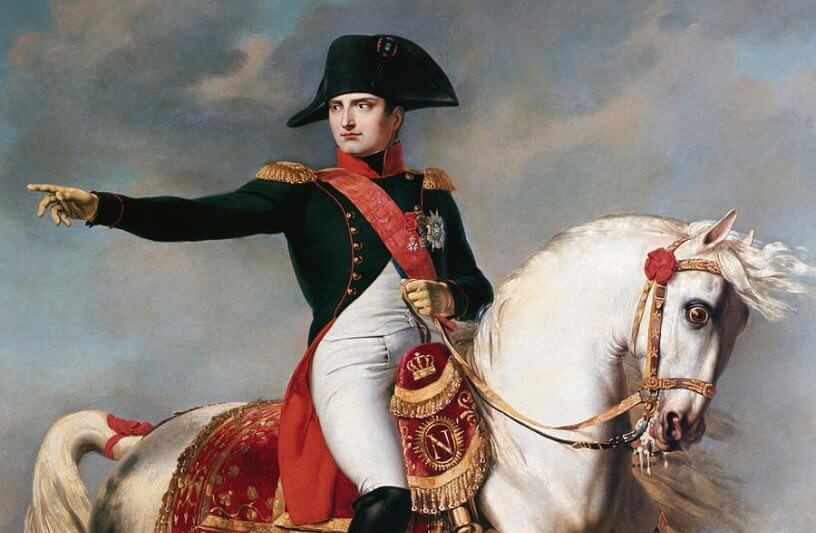
According to wiki Napoleon Bonaparte who led many successful battles during the French revolution and gained popularity as Little Corporal was 1.68 meters long which is equivalent to 5 foot 6 inches which is indeed the average height of men.
15.
Albert Einstein Didn’t Fail Math.

Most people believe that Einstein failed in maths during his school days, but the records show that he was an extraordinary student (with good marks in Math and physics).
A few of his grade sheets are still available across the internet, which represents he might be weak in the non-scientific subjects but good at math (I couldn’t verify the available grade sheets and the source, so I haven’t attached them).
16.
During World War I, the French built a “fake Paris”.
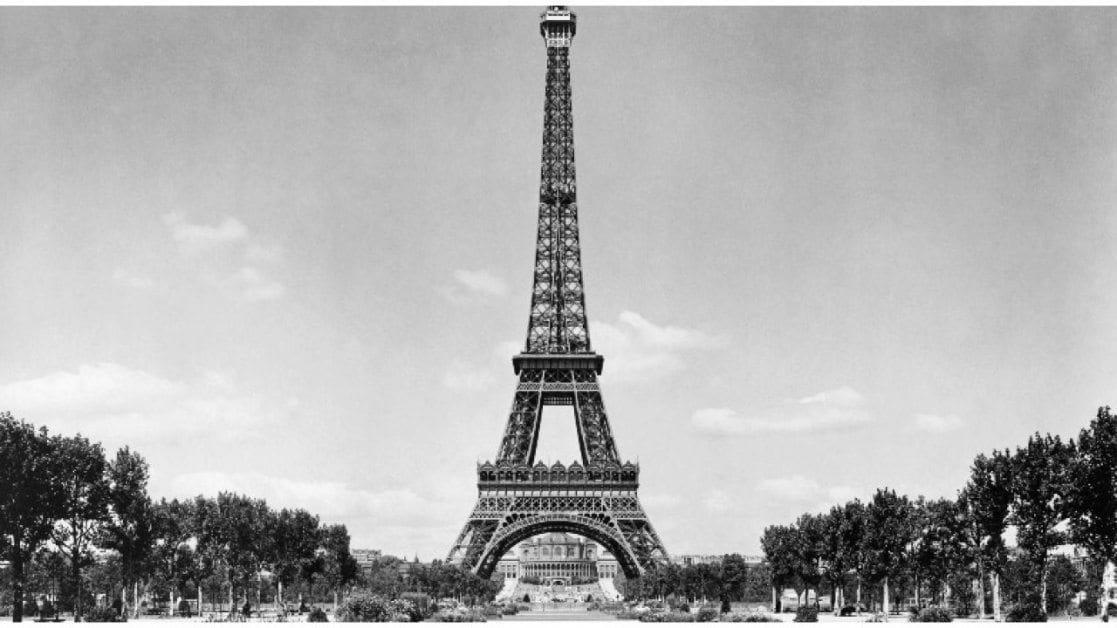
During the First word War, France decided to build a replica Paris outside the city 15 miles north of Paris to fool German bombers.
17.
Turkeys were once worshipped as Gods.

During 300 BC Mayan culture was at its height and it was their tradition to worship Turkeys and it was part of most sacred rituals.
18.
The owners of the Titanic insist that They said it was an unsinkable ship.
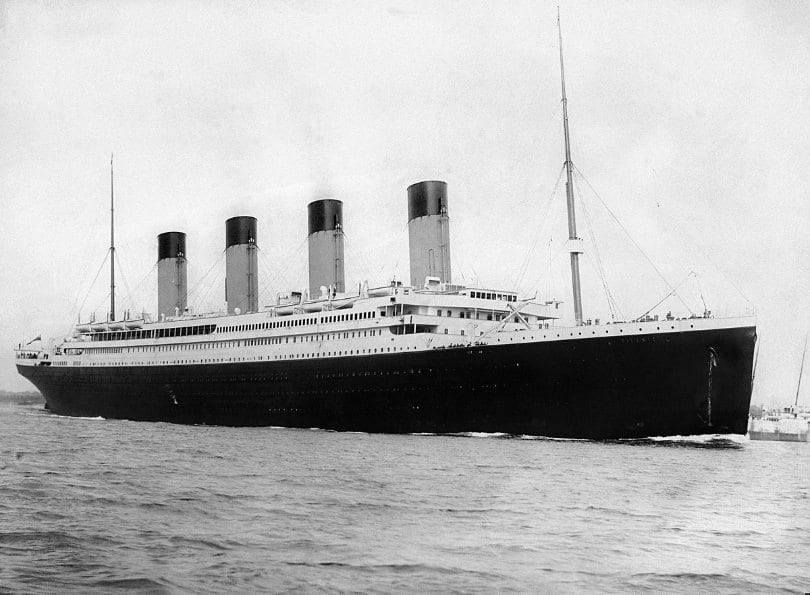
It was never said that the Titanic was an unsinkable ship as per the ship oners. They claim that the ‘unsinkable’ myth was the result of people’s interpretations which grew after the disaster.
19.
Thomas Edison Didn’t Invent the Light Bulb.

There were already different versions of light bulbs when Thomas Edison started working on Bulbs but they were somewhat different forms. More than 20 scientists had already worked on the light bulb before Edison with their own patents.
20.
Roman Emperor Caligula made one of his favourite horses a senator.
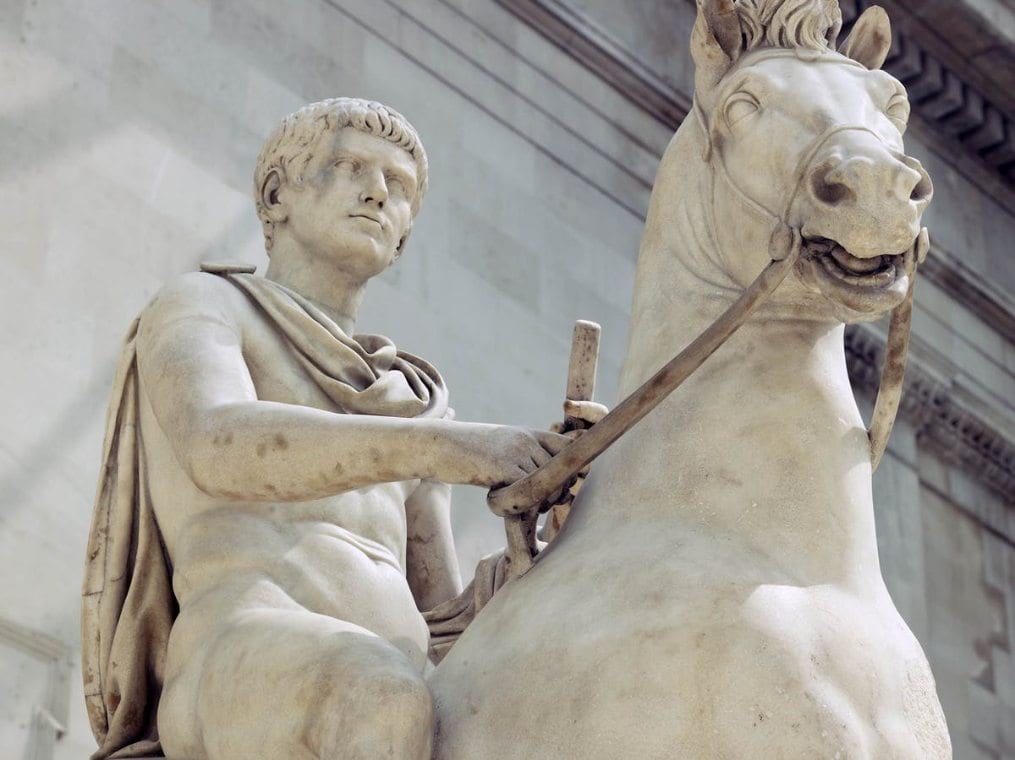
According to the ancient historian Suetonius, the Roman emperor known as Caligula loved one of his horses, Incitatus, so much that he made him a senator.
21.
The University of Oxford is older than the Aztec Empire.
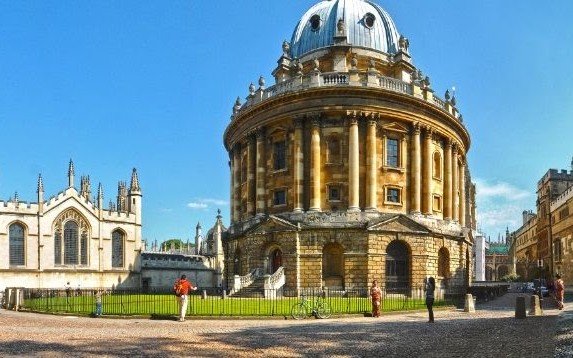
The Aztec Empire was established in 1428 whereas the University of Oxford was established as early as 1096, making it the oldest university in the English-speaking world.
22.
Women Were Once Banned from Smoking in Public.

In 1908, a so-called law known as the ‘Sullivan Ordinance‘ was passed in New York City and it was declared that it will be illegal for a woman to smoke in public places. The rule only lasted for two weeks.
23.
Abraham Lincoln was a champion wrestler.
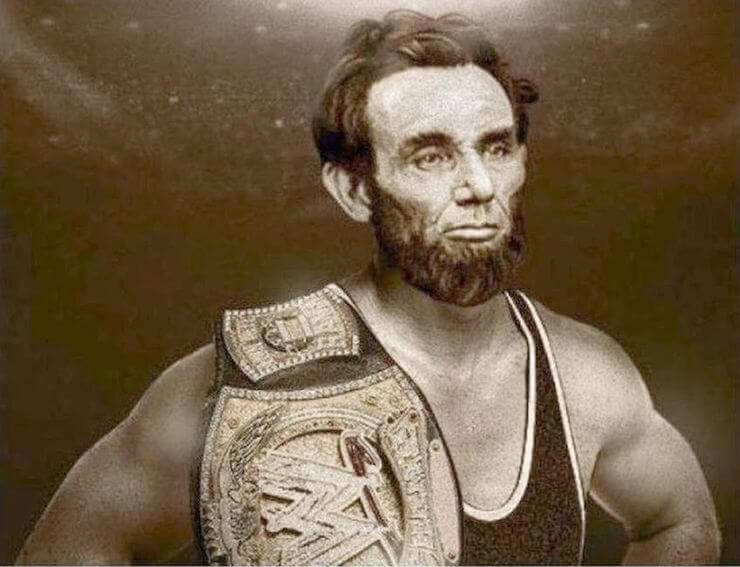
Abraham Lincoln was a skilled wrestler who lost only a single match throughout his carrier of approximately 300 matches. He is enshrined in the Wrestling Hall of Fame.
24.
The First Ever “Selfie”: One Among the Top Historical Image
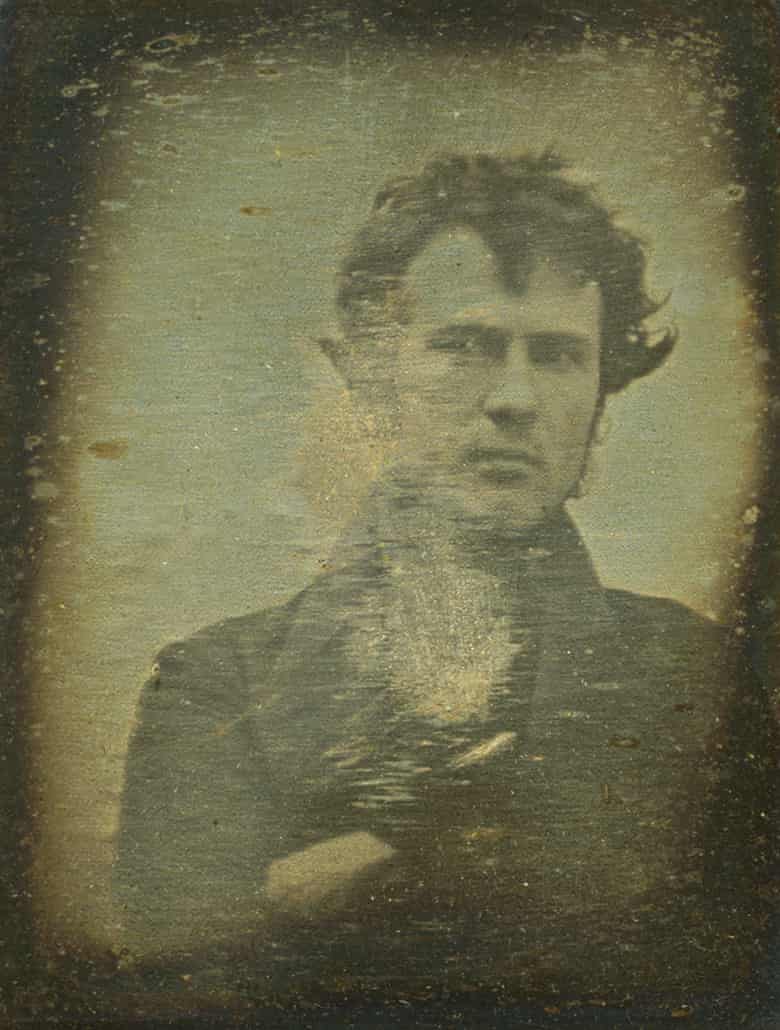
The above image is officially the world first ever taken selfy. He literally stood in one position for nearly 10-15 minutes to take this image. His name was Robert Cornelius. It was taken in 1839. Now it takes barely a millisecond to capture a selify. Evolution
25.
Foot Binding was considered to be attractive in ancient China

Chinese women used to bind their feet to about 10 centimetres in size to display social status and were considered beautiful. Mostly rich Chinese girls were used to following such tradition.
26.
The Greatest Gathering of Knowledge Ever – The iconic Photo
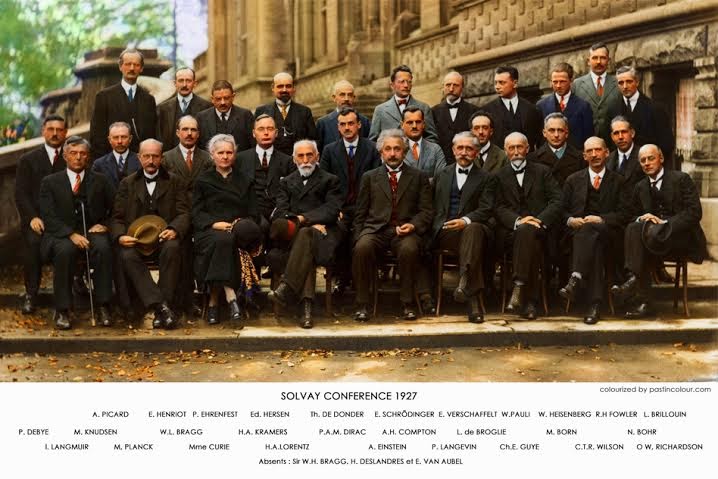
This iconic photograph was taken at the Fifth Solvay Conference in October 1927. All the greatest scientists of the 20th century together in one picture- isn’t that amazing.
27.
It is believed Ancient Greece was the starting point of democracy
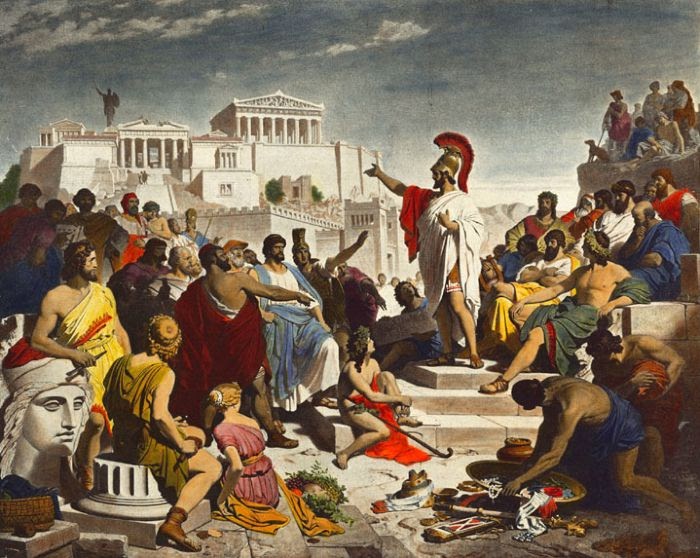
The term ‘Democracy‘ itself is a Greek word. The first Democracy was established in 508-507 BC by Athenians. Athenians were led by Cleisthenes therefore he is referred to as “the father of Athenian democracy.”
28.
Paper was initially used for packing and protection rather than writing

Paper was invented during the 2nd century BC by the Chinese and they used it for packaging, protection, and even as toilet paper. Later on, people started to use it for writing purposes.
29.
The Roman Empire lasted for more than 1,000 years.
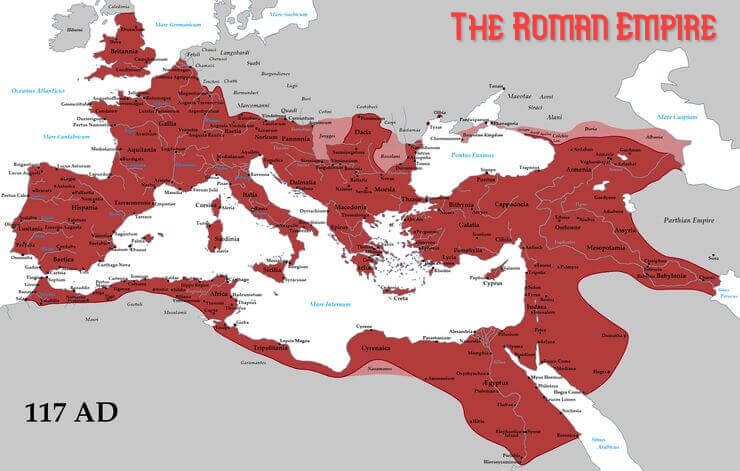
The Roman Empire was founded by Augustus Caesar in 31 BC and lasted till 476 AD marking the longest empire that lasted for more than 14 centuries. “ We have been getting a lot of comments wondering how 31 BC and 476 AD sums up to 1400 years. After the fall of the Roman Empire in 476AD, the Eastern Empire, known as the Byzantine Empire lasted until around 1453 A.D. “
30.
Hundreds of millions of people across Europe and Asia died due to the Black Death.
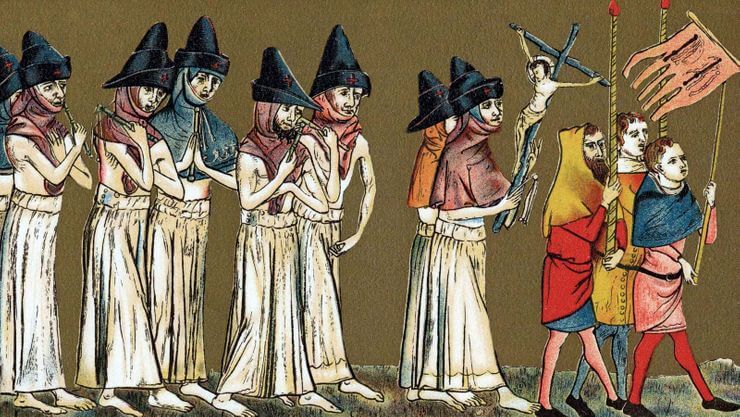
The Black Death, caused by the bacterium Yersinia pestis was the deadliest disease ever recorded by mankind. The Black Death resulted in the deaths of up to 75–200 million people in Eurasia and North Africa, peaking in Europe from 1347 to 1351.
31.
A war lasted 335 years with Zero causalities and no deaths.
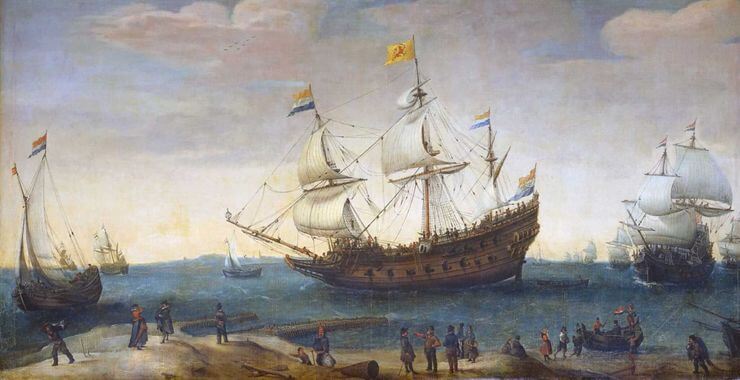
The war between the Netherlands and the Isles of Scilly ( rather an alleged state of war ) was fought for 335 years due to a lack of a peace treaty. The hypothetical war finally came to end with peace declared in 1986.
32.
The longest war fought continued for 781 years.
The Iberian Religious War The conflict, known as the “Reconquista,” was fought between the Catholic Spanish Empire and the Moors living in present-day Morocco and Algeria from 711 to 1492.
Some Ridiculously Weird Historical Facts
33.
Tsutomu Yamaguchi survived both the atomic bombing of Hiroshima and then later Nagasaki.

Tsutomu Yamaguchi, a Japanese marine engineer who luckily did survive both atomic bombings.
He was leaving Hiroshima when the first bombing was made and got few injuries. He came to Nagasaki and limped to the hospital. When the other bomb hit Nagasaki he was in a meeting giving a description of the Hiroshima bombing. Here is an article by History.com on him.
34.
The well-Known rum brand Captain Morgan was a real Guy.
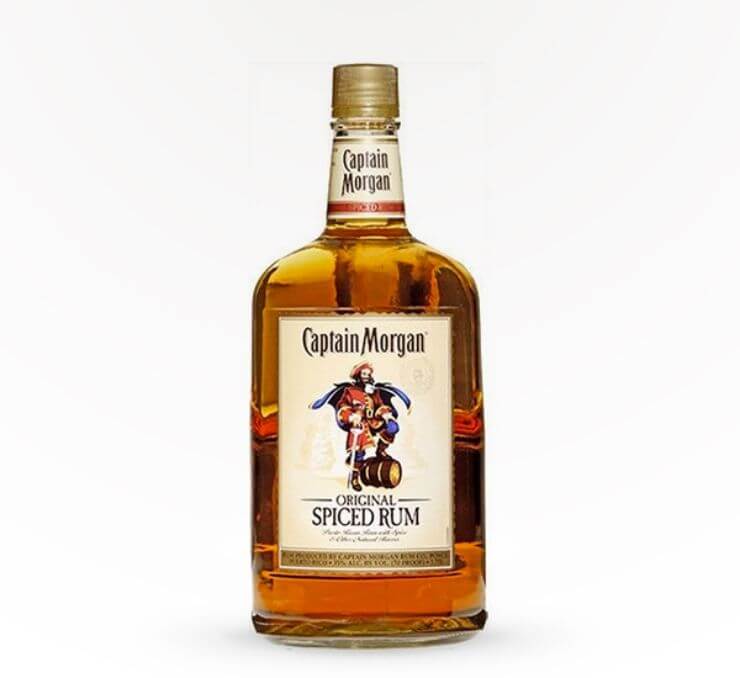
Yeah, It’s real. The cartooned captain-like person appearing on bottles of popular rum turns out to be based on a real person. His full name was Sir Henry Morgan, and he was born in Wales in 1635 and was in the British Royal Navy while England was at war with Spain.
35.
It was common to attach Bells to coffins.
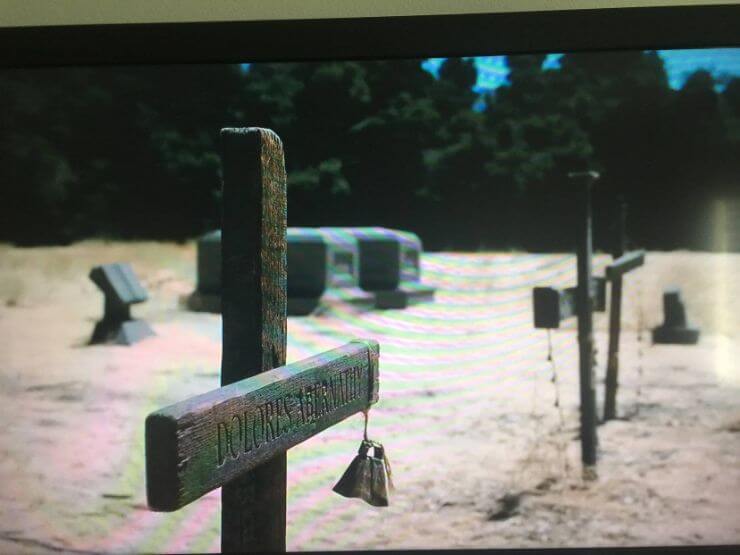
It had been common to be buried alive in the Victorian era so they came up with the idea to attach bells to coffins. Over a period of time, these safety coffins have saved many peoples buried alive.
36.
In Victorian England, people used to take pictures of their dead relatives in lifelike positions to keep as Mementos.
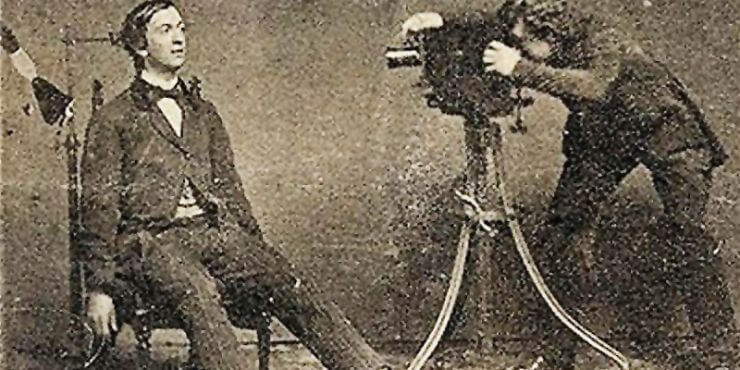
This historic tradition is what they used to call Post-mortem photography. Although Various cultures have followed this tradition but were mostly practised in Europe and America.
37.
A jockey won a Race despite being Dead.
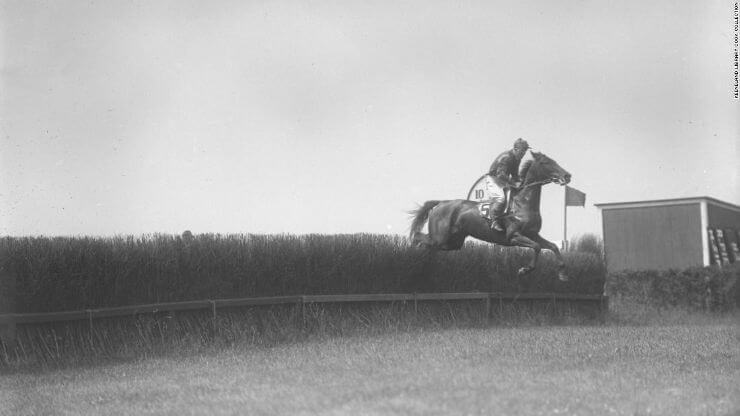
Frank Hayes is the only man to ever win a race despite being dead. On June 4, 1923, jockey Frank Hayes suffered a fatal heart attack in the middle of the race at Belmont Park. Hayes somehow remained in the saddle enough to win the race.
38.
In Ancient Rome, urine was used as a Mouthwash.

It was common to use urine as a mouthwash in Ancient Rome due to its good cleansing property. Both Human and Animal urine contains ammonia which acts as a cleansing agent, therefore, is capable of whitening teeth.
39.
Heroin was once a perfectly acceptable medicine. Doctors prescribed it for everything from coughs to headaches.

A century ago, Heroin was widely used against coughs caused by serious and some common diseases such as tuberculosis and pneumonia, but soon doctors discovered side effects.
The patients required more and more doses and soon become dependent on it. Therefore it was declared a drug problem.
40.
Hitler was nominated for the Nobel Peace Prize.

In 1939, Adolf Hitler was nominated for the Nobel Peace Prize. He was recommended by Erik Gottfrid Christian Brandt(A Member of national assemblies who can nominate candidates for the Peace Prize).
It was only three months before he led invaded Poland and started World War II. This wasn’t intended to be taken seriously as this nomination was meant as a joke.
41.
In Renaissance France, a woman could take her husband to court if he was impotent.
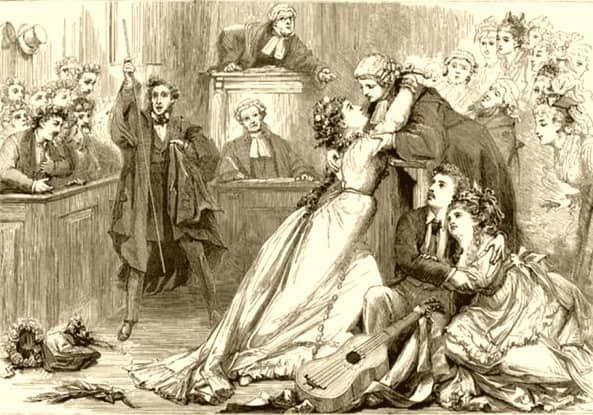
In the 16th century France, divorce was a rarity, reserved only for the well-to-do and possible only in exceptional cases. Back then erectile dysfunction was the only way in order to have a divorce
42.
The Government of the US Poisoned Alcohol during the 19’s.
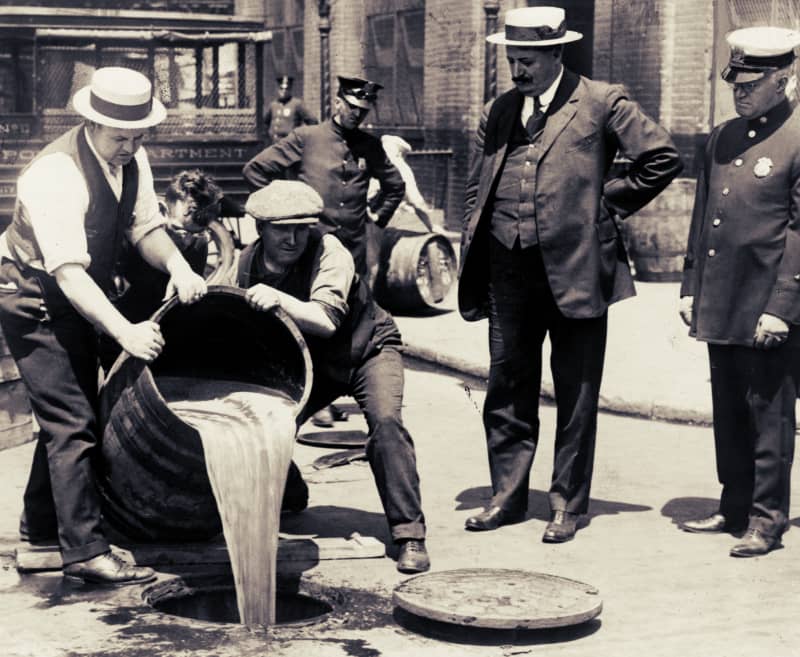
In 1926 the government of the US decided to poison alcohol When people continued to consume alcohol despite its banning. Statistics show that more than ten thousand people died due to the consumption of such alcohol.
43.
Researchers once turned a living cat completely into a working Telephone.

It was 1922 when Professor Ernest Glen Wever and his research assistant Charles William Bray at Princeton University turned a living but unconscious cat into a working telephone. The purpose of the experiment was to test how sound is perceived by the auditory nerve.
44.
Albert Einstein was offered the Presidency of Israel.
Albert Einstein was offered the presidency of Israel in 1952 but he rejected it saying he lacked “the natural aptitude and the experience to deal properly with people“
45.
One thing that makes a Scientist Great.

Even Nobel Prize is less for Him. What do you think? Only a few risk their lives to save others. These people deserve fame and all that. This was the most shocking historical fact (in the science community) for me and I am proud that I am sharing this.
46.
Before dentures were invented, The teeth of the dead were used as dentures.
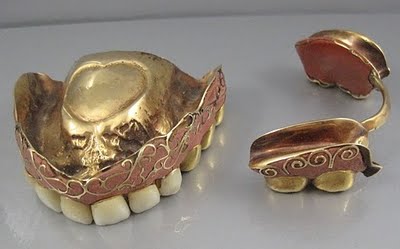
In the late 18th and early 19th Centuries, the teeth of dead soldiers were pulled out and sold to dentists where they boil them, cut off their roots, mix with gold and shape them into dentures.
47.
Alexander the Great was Buried Alive.
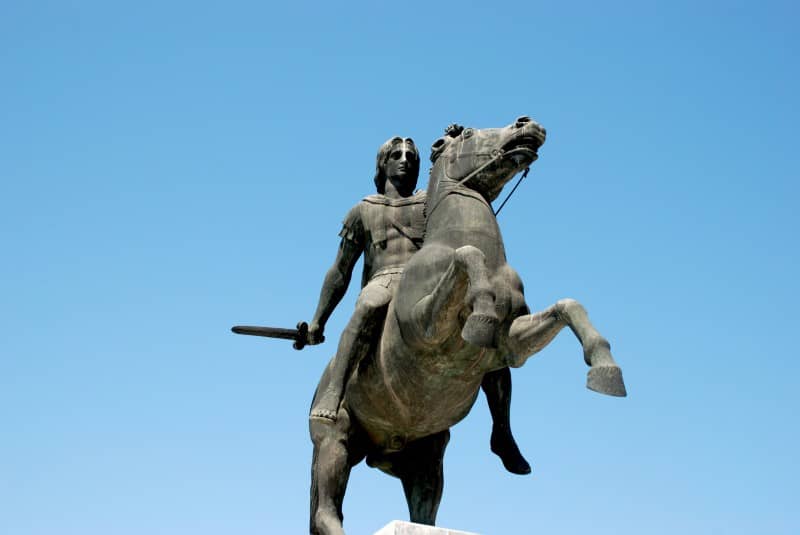
Well, there is absolutely no archaeological evidence to prove that Alexendra the great existed. Still, let’s continue.
Alexander the great suffered a rare disease that left him paralyzed for six days. His muscles were so paralyzed that the doctors couldn’t figure breathing and announced him dead. So there is a very strong possibility of him being buried alive, accidentally.
48.
There were female Gladiators.
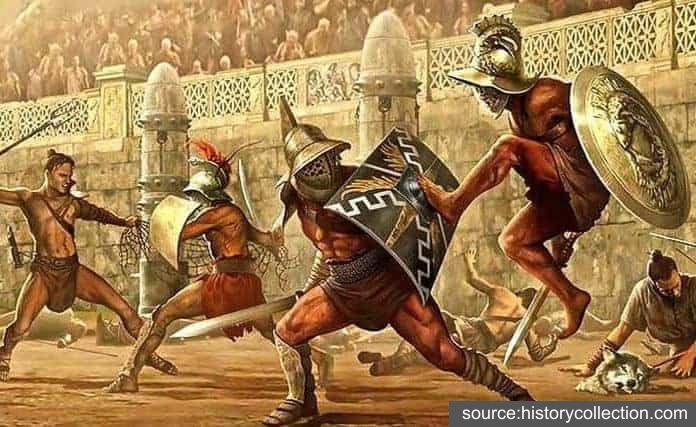
Rare, of course. But it’s true there used to be female Gladiators in Ancient Rome and they were Known as gladiatrices (gladiatrix). I wish someday, maybe we will get to know more about them, perhaps in a movie.
49.
Vikings didn’t wear horned helmets.
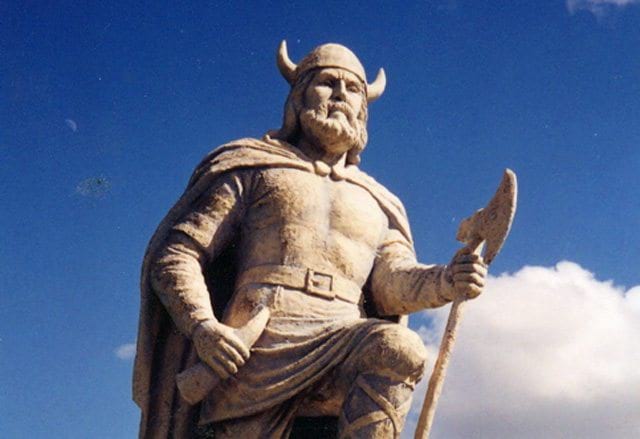
It was the outcome of people’s imagination and the result of some fascinating historical transposition rather than a true fact.
There is no archaeological evidence that proves Vikings wore horned helmets. The helmets were used in order to protect the head from impact during the battle, but having a pair of horns doesn’t make sense in any way. Horned helmets, rather decrease the strength of helmets.
50.
Jewish slaves didn’t build the Pyramids.
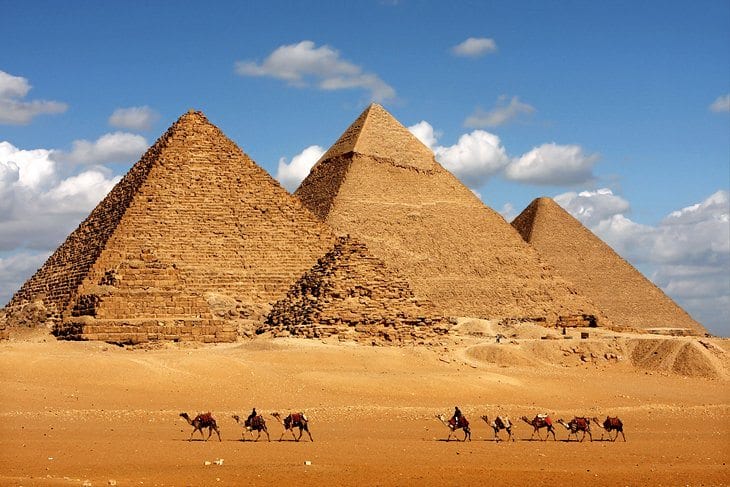
The newly discovered tombs of people who worked on the Great Pyramids of Giza evidence that the pyramids were built by workers, not slaves. As it’s less likely for slaves to get buried in a proper and respectable way.
51.
This Man Is Great!
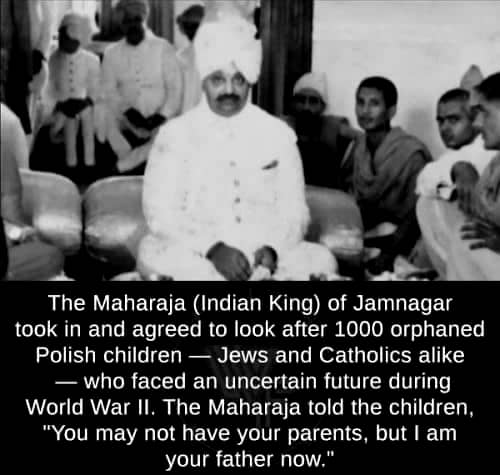
The Maharaja of Jamnagar took in and agreed to look after more than 1000 orphaned polish, Jews and Catholics. I think that is the greatest thing a king could do in times of crisis and people fighting in the name of religion.
#Here are a few more
- The Great Fire of London in 1666 destroyed a large portion of the city and led to the creation of the London Building Act, which required all buildings in the city to be made of brick or stone.
- The first successful powered flight, made by the Wright brothers in 1903, only lasted for 12 seconds and covered a distance of 120 feet.
- The ancient Egyptians believed in an afterlife and mummified their deceased to preserve their bodies for the journey to the next world.
- The Treaty of Tordesillas in 1494 was signed by Spain and Portugal in order to divide the New World into two regions of exploration, with Spain receiving all lands west of a certain meridian and Portugal receiving all lands east of it.
- The Great Pyramid of Giza, one of the Seven Wonders of the Ancient World, was the tallest structure in the world for over 3,800 years.
- The Salem witch trials, which took place in Massachusetts in 1692, resulted in the execution of 20 people accused of practicing witchcraft.
57.
Quotes Worth Your Time!
Buddha was once asked – What is the difference between ” I like you” and “I love you“? His answer was so beautiful and satisfying.


No comments:
Post a Comment